
Consequences of Alcohol Use in Diabetics

This tends to lower your blood sugar while you’re drinking, especially if you’re not eating. Your body uses the food for energy since the liver is breaking down alcohol. Diabetic diabetes and alcohol blackouts ketoacidosis (DKA) can develop if high blood sugar is uncontrolled. DKA is a severe health condition in which the body breaks down fat for energy. High blood levels of ketones may cause dangerous side effects like confusion or trouble sleeping.
Impact of Alcohol on Insulin Action
Alcohol can induce several types of lipid alterations, including elevated triglyceride levels in the blood (i.e., hypertriglyceridemia), reduced levels of low-density lipoprotein (LDL) cholesterol, and elevated levels of high-density lipoprotein (HDL) cholesterol. Gluconeogenesis, which also occurs primarily in the liver, involves the formation of new glucose molecules from alanine and glycerol. Alanine is generated during the breakdown of proteins in the muscles, whereas glycerol is formed during the metabolism of certain fat molecules (i.e., triglycerides). Alcohol metabolism in the liver, however, actually shuts down the process of gluconeogenesis and thus the second line of defense against hypoglycemia. Consequently, both of the body’s mechanisms to sustain blood sugar levels are inactivated in people who consume alcohol but do not eat, resulting in profound hypoglycemia.
Diabetes and Alcohol Use 101: What’s Safe? (How Much to Drink)
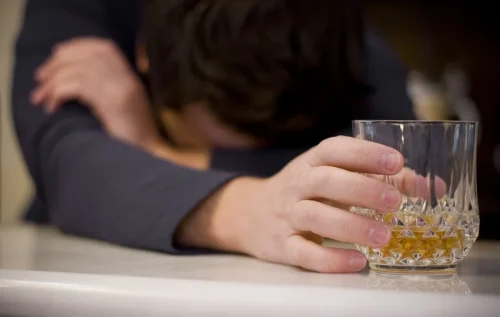
Acute alcohol intoxication also produces whole-body insulin resistance in rats 12,116 and Drug rehabilitation the alcohol effect appears to be dose-dependent 117,118,119. As the alcohol-induced impairment was recapitulated by t-butanol (a non-metabolizable alcohol) and not antagonized by 4-methylpyrazole, the insulin resistance was likely mediated by alcohol and not one of its oxidative metabolites 117. Furthermore, numerous studies have also demonstrated impaired whole-body IMGU in chronic alcohol-fed rats and mice 14,15,28,118,119,120,121. Chronic alcohol-fed mice also show whole-body insulin resistance, as assessed using an insulin tolerance test 100.
Always test blood sugar before having an alcoholic beverage
The euglycemic hyperinsulinemic clamp can differentiate insulin action at the level of the liver and peripheral tissues (especially muscle) when combined with the infusion of radiolabeled or stable isotope-labeled glucose. In contrast to the ability of insulin to increase glucose uptake in striated muscle and fat (see following sections), insulin normally inhibits hepatic glucose production (HGP). Hence, in this experimental paradigm, hepatic insulin resistance is manifested as a decrease in insulin-induced suppression of endogenous HGP. Although acute alcohol did not produce hepatic insulin resistance in humans 115, rodents consistently exhibit impaired hepatic insulin sensitivity following both acute and chronic alcohol ingestion 14,28,120,122. Furthermore, acute alcohol administration 98 and long-term ingestion of moderate doses of alcohol consumption 113 have been infrequently reported to reduce insulin secretion.
- The problem is that the liver cannot perform both functions at the same time.
- When you produce more cortisol for any reason, your blood sugars can rise.
- This metabolic scenario is consistent with alcohol acutely stimulating hepatic glycogenolysis under fed or short-term fasted conditions to defend against the development of hypoglycemia 9,11,45,46,47.
- Insulin resistance does not immediately lead to overt diabetes, because the patient’s pancreatic beta cells initially can increase their insulin production enough to compensate for the insulin resistance.
Heavy drinking, particularly in diabetics, also can cause the accumulation of certain acids in the blood that may result in severe health consequences. Finally, alcohol consumption can worsen diabetes-related medical complications, such as disturbances in fat metabolism, nerve damage, and eye disease. Despite the consistent observation that acute and chronic alcohol impairs in vivo-determined IMGU by muscle, there is little consensus on the mechanism underlying the insulin resistance.
You are probably better off, however, if you choose drinks that have fewer carbohydrates, such as light beers, dry wines, and seltzers. Avoid drinks that contain sweet mixers or juices, such as a margarita or tequila sunrise. Drinking alcohol can reduce your liver’s ability to regulate the release of carbohydrates into your bloodstream. When this happens, your blood sugar can drop too low, which is known as hypoglycemia. On the other hand, if you have lots of food and then drink too much, your blood sugar can get too high.
Cardiovascular disease continues to be one of the leading causes of death among all Americans and is the leading cause of death in people with type 2 diabetes (Bierman 1992). The relationship of alcohol consumption to cardiovascular disease in diabetic people has not been well evaluated. However, substantial information on the association of alcohol and cardiovascular disease exists from population studies that included an unknown percentage of diabetics. Those findings suggest that alcohol consumption, particularly moderate consumption, may have a protective effect against cardiovascular disease. For those with diabetes mellitus, it’s crucial to be mindful of your alcohol intake and your body’s response to various drinks.
Eat Before You Drink
Catecholamines further decrease insulin production and increase glucagon production. Accordingly, physicians who treat diabetics known to consume large amounts of alcohol must be aware of the risk of alcoholic ketoacidosis in those patients. When managing type 2 diabetes, it’s important to remember that alcoholic drinks can impact your blood sugar control at varying levels. While some beverages can safely fit into a well-balanced diet, others may significantly skew your daily carbohydrate intake or interfere with critical medications.

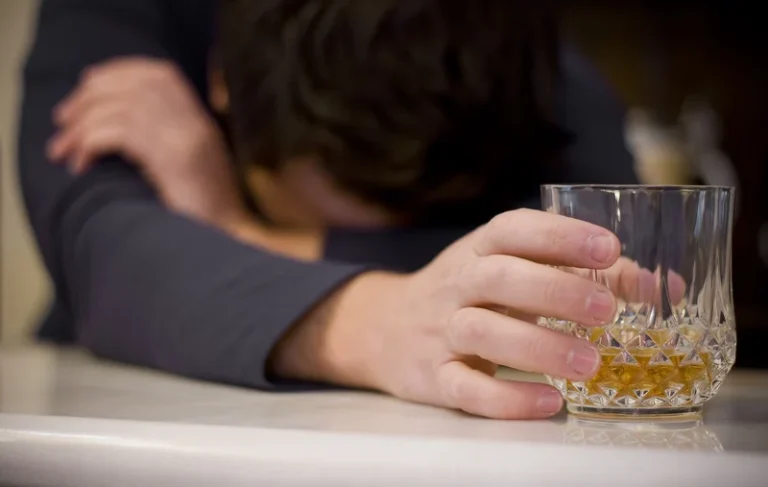
Alcohol can make you more relaxed and may lead you to eat food that’s high in added sugar or fat, fried, or processed. Cocktails that are mixed with juice, mixers, or sugary sodas can spike blood sugar, especially if you drink too much. They should also keep a closer watch on their blood sugar so they can quickly react if levels fall too low.
- Using similar animal models and methodological approaches as described in the preceding section, acute alcohol either does not change or decreases basal in vivo-determined cardiac glucose uptake 12,51.
- However, the liver can’t do this and metabolize alcohol at the same time.
- Likewise, there was no change in glucose tolerance in chronic alcohol-fed rats 89,90,91 or mice 92.
What happens to your body when you drink alcohol
Some people manage this natural spike in blood sugar levels with medications or insulin, while others incorporate natural glucose-lowering measures into their lives to adjust. Ultra-processed foods (UPF) are endemic in Western diets and represent between 15%–20% (e.g., in Columbia, Romania) to almost 60% (in the United States) of daily energy intake 1. Mounting evidence from epidemiological and experimental studies suggests a deleterious impact of UPF on many health outcomes, in particular metabolic-related diseases 1,2.